Seasonal Planting Guides for Fresh Produce: Seasonal Gardening Ideas to Grow Your Best Garden
- Camri Meriweather
- Mar 21
- 4 min read

Growing your own fresh produce is one of life’s simple pleasures. There’s something magical about planting a tiny seed and watching it grow into a vibrant vegetable or herb you can harvest and enjoy. But to get the best results, timing is everything. That’s where seasonal planting guides come in handy. They help you know what to plant and when, so your garden thrives all year round.
Whether you’re a seasoned gardener or just starting out, I’m here to share some friendly, practical advice on seasonal gardening ideas that will keep your garden flourishing and your kitchen stocked with fresh goodies.
Why Seasonal Gardening Ideas Matter
Gardening isn’t just about throwing seeds in the dirt and hoping for the best. Plants have their own schedules, and they thrive when you respect their natural rhythms. Seasonal gardening ideas help you:
Maximize your harvest by planting crops at the right time.
Avoid pests and diseases that are more common in certain seasons.
Save money by growing what’s in season instead of buying expensive out-of-season produce.
Enjoy fresher, tastier food because seasonal produce is harvested at its peak.
For example, cool-season crops like lettuce and spinach love the crisp air of early spring or fall, while warm-season favorites like tomatoes and peppers bask in the summer sun. Knowing these details can make all the difference between a bountiful garden and a disappointing one.
Seasonal Gardening Ideas for Every Season
Let’s break down the year and see what you can plant in each season to keep your garden productive and exciting.
Spring Planting
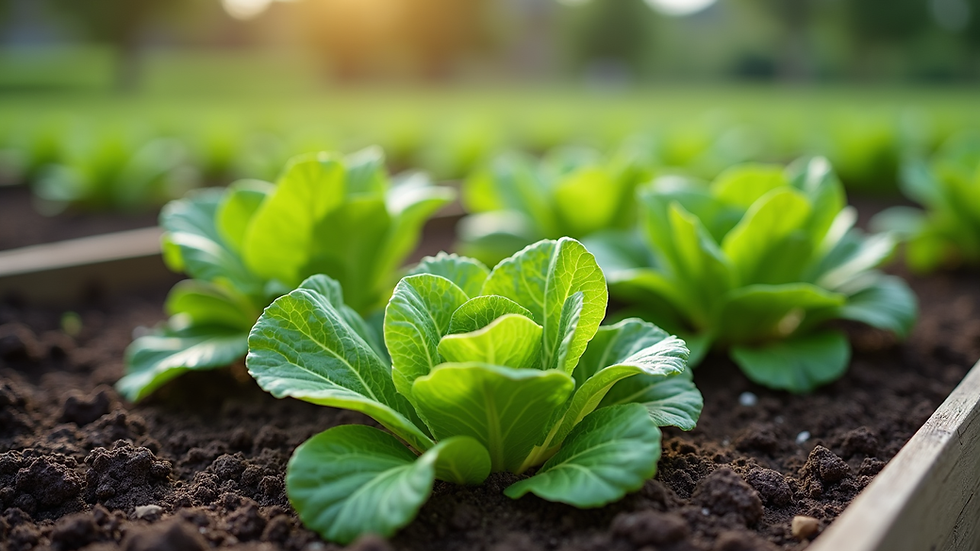
Spring is the season of new beginnings. As the soil warms up, it’s time to start planting cool-season crops that can handle a little chill.
Vegetables to plant: Lettuce, spinach, radishes, peas, broccoli, and carrots.
Tips: Start seeds indoors for tomatoes and peppers to transplant later. Use row covers to protect young plants from late frosts.
Soil prep: Add compost to enrich the soil and improve drainage.
Spring is perfect for leafy greens and root vegetables that grow quickly and can be harvested before the summer heat arrives.
Summer Planting
Summer is when your garden really shines. Warm temperatures and long days encourage growth, but some plants need a little extra care to beat the heat.
Vegetables to plant: Tomatoes, peppers, cucumbers, beans, squash, and corn.
Tips: Water deeply and consistently to keep soil moist. Mulch around plants to retain moisture and reduce weeds.
Pest control: Watch out for aphids and caterpillars; handpick or use natural remedies.
Summer crops love the sun, but they also appreciate a little shade during the hottest part of the day. Consider planting taller crops like corn to provide some shelter for more delicate plants.

Fall Planting
Fall is a second chance to grow cool-season crops before winter arrives. The cooler weather slows down growth, but many vegetables actually taste better when grown in fall.
Vegetables to plant: Kale, Brussels sprouts, cabbage, beets, and garlic.
Tips: Plant garlic cloves in the fall for a summer harvest next year. Use cold frames or cloches to extend the growing season.
Soil care: Remove spent plants and add mulch to protect soil over winter.
Fall gardens are perfect for hearty greens and root vegetables that can handle frost and even improve in flavor after a light freeze.
Winter Planting
Winter gardening might sound tricky, but with the right approach, you can keep growing fresh produce even in the cold months.
Vegetables to plant: Spinach, kale, winter lettuce, and some hardy herbs.
Tips: Use cold frames, greenhouses, or indoor containers to protect plants from freezing temperatures.
Planning: Use this time to plan your spring garden and start seeds indoors.
Winter gardening is all about protecting your plants and making the most of limited sunlight. It’s a rewarding challenge that keeps your green thumb active year-round.
What is a good green side dish?
When it comes to pairing your fresh produce with meals, green side dishes are a fantastic way to add color, nutrition, and flavor to your plate. But what makes a good green side dish?
Freshness: Use greens harvested at their peak for the best taste and texture.
Variety: Mix different greens like kale, spinach, arugula, or Swiss chard for a vibrant dish.
Simple preparation: Sometimes, a quick sauté with garlic and olive oil or a fresh salad with a light vinaigrette is all you need.
Seasonal ingredients: Incorporate other seasonal veggies or herbs to complement the greens.
For example, a warm sauté of garlic spinach with a squeeze of lemon is a quick, delicious side that pairs well with almost any main dish. Or try a crisp kale salad with toasted nuts and dried cranberries for a refreshing twist.
If you want to explore more ideas, check out some inspiring greens & side dishes recipes that celebrate seasonal produce in creative ways.
Tips for Successful Seasonal Planting
Here are some practical tips to help you get the most out of your seasonal planting efforts:
Know your frost dates: Find out the average last frost in spring and first frost in fall for your area. This helps you time your planting perfectly.
Start seeds indoors: For plants that need a longer growing season, start seeds inside to get a head start.
Rotate crops: Avoid planting the same family of vegetables in the same spot year after year to reduce pests and soil depletion.
Use companion planting: Some plants grow better together, like tomatoes and basil or carrots and onions.
Keep a garden journal: Track what you plant, when, and how it performs. This helps you learn and improve each year.
Seasonal planting is a learning process, and every garden is unique. Don’t be afraid to experiment and find what works best for your space and climate.
Bringing It All Together: Your Seasonal Garden Awaits
Gardening is a journey filled with discovery, patience, and plenty of rewards. By following seasonal planting guides, you set yourself up for success and a garden that keeps giving fresh produce throughout the year. Remember, the key is to work with nature’s rhythms, not against them.
So grab your gloves, get your seeds ready, and dive into the wonderful world of seasonal gardening ideas. Your taste buds (and your dinner table) will thank you!
Happy planting!


Comments